I help wealth-management owner-operators put AI to work on the busywork, then make the change actually stick — without ever putting client trust or compliance at risk. The technology is the easy part. The people side of change is where I live.
Why I do this
It's a Tuesday, a little after nine at night. The house is quiet — and you're still at the kitchen table. Not with a client. Writing up notes from the review you finished this morning, because the day never left room for it.
Here's what I want you to know: that late-night admin isn't the job. The job was this morning — the moment a family across the table let their shoulders drop because, maybe for the first time, they believed they were going to be okay. That's what you're extraordinary at. It's why you got into this.
Everything else — the notes, the CRM, the follow-ups, the compliance trail — is just work that hasn't been handed off yet. Handing it off, safely, without losing the human touch, is the whole reason this practice exists.
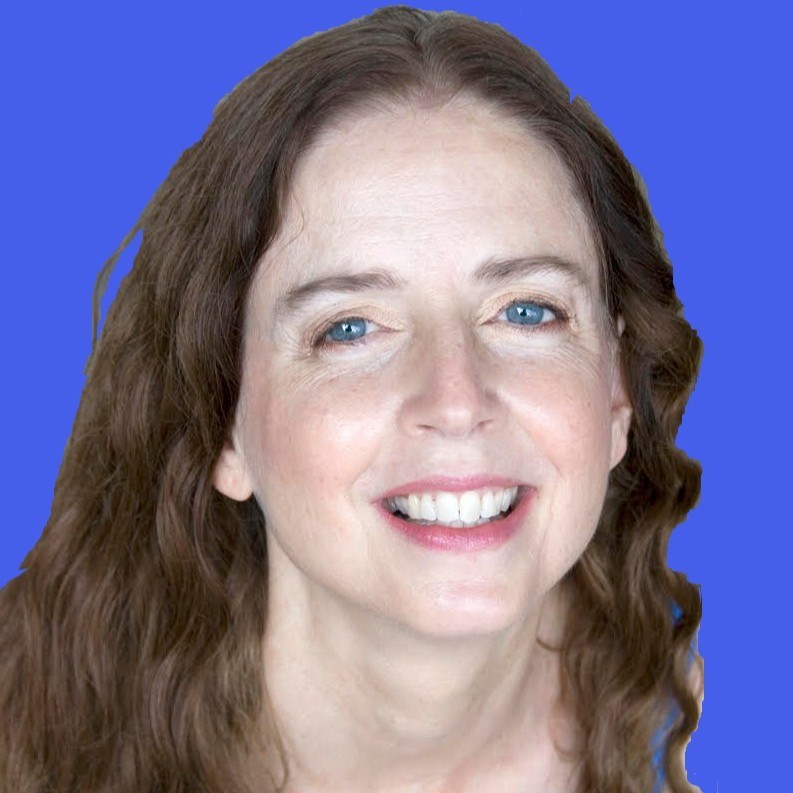
I'm Kelly. For more than 20 years, I've helped people through hard change — the messy, human middle where a new way of working either takes hold or quietly falls apart. I earned my PhD at Vanderbilt. I've spent 10+ of those years in financial services, and most recently led AI adoption for 3,000-person teams at Infosys Consulting. And I don't just advise on AI — I build the agents myself: 50+ so far, including the system I run my own practice on.
But the credential that matters most to you isn't on the wall. It's this: I'm genuinely good at the human side of change — helping a real person do something new and uncomfortable, and having it still be there after I'm gone. The tools are the easy part. Getting a busy, deeply-booked advisor to actually work a new way — safely, without risking a single client relationship — is the craft. That's the one I've spent my career on.
So the numbers above aren't the pitch — they're just the evidence that when you decide to change how you work, I can help you make it stick, and see it, week over week. The next part is more personal. It's the real reason I chose to spend this chapter of my career on advisors like you.
A personal note
My financial advisor, Mark, believed in my financial capability before I believed in it myself.
I'm honest about this because it's the real reason I chose this niche. At a crossroads in my personal life, when a lot was changing at once, it was my financial advisor Mark who steadied me — and guided me onto the path of financial freedom I'm grateful to have in my life today. What he gave me wasn't just a portfolio strategy. It was a reframe: that this is about financial health, not just wealth — money as safety, security, and freedom, not greed. That reframe changed everything for me.
So doing this work is one way I give back — helping the very kind of advisors who once helped me, so they can give more families that same sense of financial freedom and security. There's a second reason, too. Solo and small-firm advisors are quietly falling behind the big firms on AI — not because they're any less capable, but because the big firms have whole teams and budgets for it, and an owner-operator has neither. I want to put that same power in your hands, so the advisors who show up for people the way Mark showed up for me aren't the ones left behind.
Honest positioning
I'd rather be precise than impressive. The most valuable thing I do isn't producing a strategy — plenty of people can hand you a deck. It's helping you decide and then actually change how you work. That rare execution-and-change capability is exactly my edge.
This isn't classic McKinsey-style market-positioning strategy, and I don't position myself as a corporate strategist. A solo advisor doesn't need boardroom war-gaming — and I won't sell you a deck that sits in a drawer.
Clear decisions about AI and your practice, plus the harder part: actually making the shift in how you work. Call it “help you decide and actually make the change.” It's grounded in 20+ years in IT and organizational change, in Prosci and ADKAR (leading change-management frameworks for helping people actually adopt something new), and in executive coaching. Change is my sweet spot.
Why the mix matters
Most people offering “AI for advisors” can do one of these. The reason the change actually holds is that it sits where all three overlap — the decision, the behavior change, and the trust that keeps client data safe.
How I work
My job is to help you see what you already know but can't quite act on yet. I hold you as the expert on your clients, your firm, and your path forward. You stay in control — every AI teammate runs review-and-approve, never on autopilot.
Before anything touches a client record, we solve the compliance fear — data privacy, sandboxing, and client data kept protected for SEC/FINRA-registered practices. The risk reversal comes before the reward. Always.
A strategy you don't act on is just a document. I pair the clear AI decision with the operational discipline to make the behavior real — and coach it until it holds. Deciding and doing aren't opposites; they're both my job.
I work from a systems lens — looking at how your whole practice fits together, not just one task at a time. It's a best practice, and it's how you find the one small change that frees the most time first, instead of chasing a dozen at once. That's what makes the difference compound instead of stall.
The craft underneath
The AI is the visible part. What makes it hold after I leave is 25 years of the work most technologists never do — helping real people change how they actually work. And these aren't titles I gave myself: I hold multiple professional certifications through the International Coaching Federation (ICF) — the gold standard in the field — across both coaching and facilitation. Two crafts sit underneath everything here, and both are available on their own if you or your team ever want them directly.
A deep, trusting relationship that makes an uncomfortable change survivable. I'm an ICF Professional Certified Coach (PCC) — the International Coaching Federation's globally recognized gold standard — with further certification in Co-Active, ORSC, and Hogan, and 10,000+ hours in the chair. It's the reason a new way of working holds, instead of fading the week after.
Hands-on, experiential sessions where a group builds a new habit together. My facilitation is professionally certified through the International Coaching Federation too — not a self-appointed label — in experiential “learn-by-doing” design. For a firm with a team, it's how fluency spreads across the practice without a single lecture.
Not the headline offer — the foundation the AI work is built on, and available on request for advisors and teams who want them directly.
Certified Hogan practitioner — I measure reputation, how others actually see you, not just personality. See why that's everything in this business →
Credentials & certifications
The whole person behind the practice.
Finding the current and trusting it is both a literal practice and a leadership metaphor. I do both with my daughter.
I build agentic systems for my own practice using AI — staying genuinely fluent, not just theoretically current on what I advise.
Natural Habitat Evanston, the Environmental Justice Coalition, and pollinator habitat advising. Leadership and citizenship are the same muscle.
Rotary Club and League of Women Voters board member — because shared governance is where collaborative leadership gets real.
Let's have a real conversation — no pitch — about where your practice could grow, and the busywork we'd clear to get there.
📍 AI strategy advising for wealth-management owner-operators — solo and small independent practices